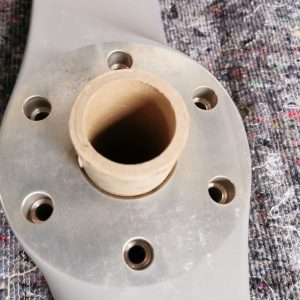
New, Never Installed get more info presents aircraft owners, builders, maintenance facilities, restorers, and aviation parts buyers with an identifiable propeller option for an appropriately verified aircraft installation.
The shortened Sensenich 74DM6 Propeller description can improve search visibility, while the complete part number should remain available for technical review.
A Sensenich Fixed-Pitch Propeller may also be categorized as a Sensenich Aluminum Propeller or Fixed-Pitch Aluminum Propeller when the exact material and configuration are confirmed.
Whether buyers require a 74-Inch Aircraft Propeller, 60-Inch Pitch Propeller, Lycoming O-320 Propeller, or General Aviation Propeller, aircraft-specific applicability remains essential.
A Two-Blade Aircraft Propeller should be treated as one matched rotating assembly, while a Sensenich Aircraft Propeller should be identified through verified manufacturer markings.
Identifying the Sensenich Propeller Correctly
Every digit, letter, dash, suffix, alteration stamp, and serial marking should be recorded because similar-looking propellers can have different applications or dimensional configurations.
Reliable traceability improves the commercial and maintenance value of the Sensenich 74DM6 Propeller.
Evaluating an Unused Sensenich Propeller
The seller should disclose the purchase date, ownership history, storage environment, packaging condition, and any previous trial fitting.
New, Never Installed.
How a Fixed-Pitch Aluminum Propeller Operates
Correct matching protects the engine, propeller, and aircraft from unsuitable loading or operation.
Fixed-pitch simplicity can reduce mechanical complexity compared with variable-pitch or constant-speed systems, but it does not eliminate inspection, balance, tracking, and maintenance requirements.
Aluminum Aircraft Propeller Construction
Aluminum construction offers a durable and proven solution for many general aviation aircraft when the blades, hub, mounting surfaces, leading edges, tips, and protective finish remain within acceptable condition.
Identification markings should remain legible and protected during handling.
Avoiding Unverified Propeller Size Claims
The measurement should not be assumed from packaging labels or seller estimates alone.
The receiving aircraft must provide sufficient propeller clearance under applicable loading and operating conditions.
Comparing Pitch Between Both Blades
The 60-inch pitch designation is an important specification that should be verified through model markings, suitable technical data, and professional measurement when required.
Both blades should maintain suitable pitch consistency, contour, and dimensional symmetry.
Avoiding Universal O-320 Compatibility Claims
Compatibility depends on the exact aircraft model, serial range, engine designation, propeller approval, hub, bolt pattern, diameter, pitch, and operating limitations.
The engine and propeller combination must remain within applicable RPM and power limitations.
Inspecting the Complete Propeller Assembly
Matched blade condition supports smoother propeller operation.
Storage supports should protect both blades without applying uneven pressure.
Inspecting the Propeller Mounting Area
The propeller hub should match the receiving engine flange, pilot diameter, bolt pattern, approved spacer arrangement, spinner components, and required installation hardware.
Fasteners should not be selected solely by visual appearance, basic diameter, or thread size.
Leading-Edge and Blade-Surface Inspection
The depth, location, orientation, and extent of any defect affect the appropriate inspection or corrective action.
Protective wrapping can sometimes conceal moisture staining or abrasion caused by movement inside the packaging.
Protecting the Fixed-Pitch Aluminum Propeller
Discoloration, white residue, paint bubbling, coating separation, staining, or pitting should be evaluated instead of dismissed automatically as cosmetic.
Periodic inspection can identify developing coating or environmental concerns.
Reviewing Propeller Release Documentation
Documentation should be interpreted according to its specific wording, scope, and serial-number reference.
Organized records strengthen the commercial value of the Certified Aircraft Propeller.
Confirming the Sensenich Serial Number
Original purchase paperwork may help establish the never-installed history.
Records should remain protected from alteration, moisture, loss, and separation from the propeller.
Pre-Purchase Inspection Checklist
Detailed review reduces unsuitable purchases and unexpected inspection costs.
- Compare the propeller with the receiving aircraft model, serial range, Lycoming engine designation, engine flange, spinner, operating limitations, and approved installation information.
- Arrange qualified propeller evaluation whenever physical condition, dimensions, documentation, or installation eligibility remain uncertain.
- Retain photographs, serial information, measurements, purchase records, inspection reports, release documents, and freight paperwork with the aircraft project file.
Aircraft Propeller Crating Requirements
The propeller should be packaged in a rigid crate or container that supports the hub and protects both blades from bending, impact, abrasion, and uncontrolled movement.
The shipping crate should identify appropriate lifting and handling points so carriers do not use the propeller blades as handles.
Maintaining Packaging and Identification
The propeller should not be placed where tools, vehicles, machinery, or personnel can strike it.
The unit should not be stored directly on damp concrete, exposed ground, unstable shelving, or areas vulnerable to roof leaks.
Preparing for Ground and Flight Checks
Professional installation protects the propeller, engine, and airframe.
Disciplined installation supports dependable Two-Blade Aircraft Propeller operation.
After installation, technicians should verify security, propeller clearance, blade tracking, spinner alignment, hardware condition, and surrounding aircraft components before starting the engine.
Preventive Blade and Hub Inspection
Unapproved filing or sanding can remove excessive material and alter the blade geometry.
Pilots and operators should report new vibration, visible blade damage, unusual noise, or performance changes promptly.
Replacement Propeller Ownership Costs
Propellers with clear photographs, complete records, transparent storage history, and verified condition are easier for professional buyers to evaluate.
Availability of qualified maintenance support and approved installation data can influence long-term ownership value.
74DM6-0-60 Aircraft Propeller Conclusion
The Sensenich Propeller – P/N 74DM6-0-60
Buyers should request current photographs, exact dimensional information, transparent condition disclosures, inspection details, protected freight arrangements, secure payment terms, and qualified propeller review.
Whether maintenance teams are sourcing a Two-Blade Aircraft Propeller, Sensenich Aircraft Propeller, Replacement Aircraft Propeller, or Certified Aircraft Propeller, professional inspection and installation should precede operational use.
New, Never Installed can deliver a professional combination of fixed-pitch simplicity, aluminum construction, replacement value, and general aviation application potential.